Trading the Gym for Cricket Nets
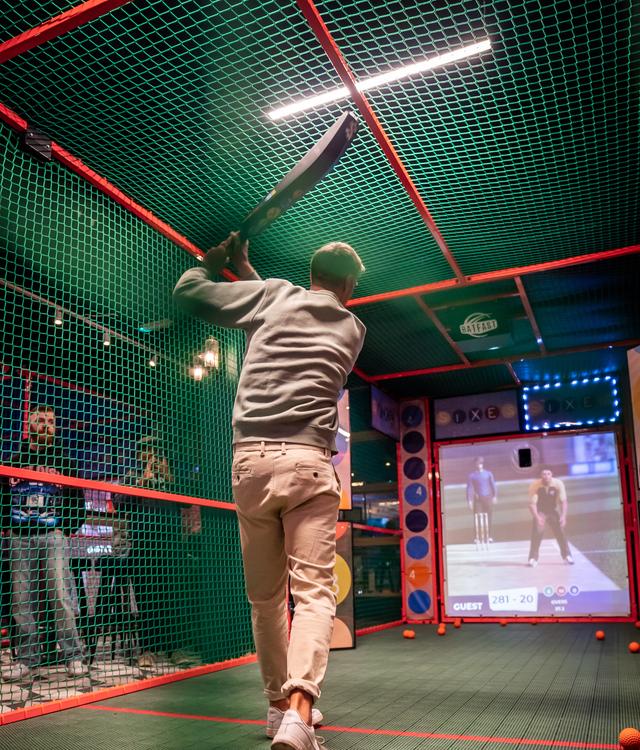
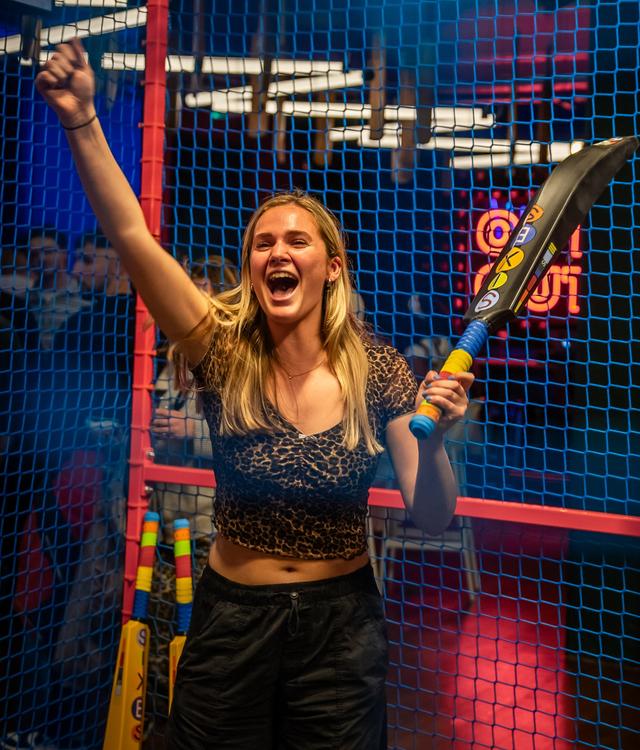
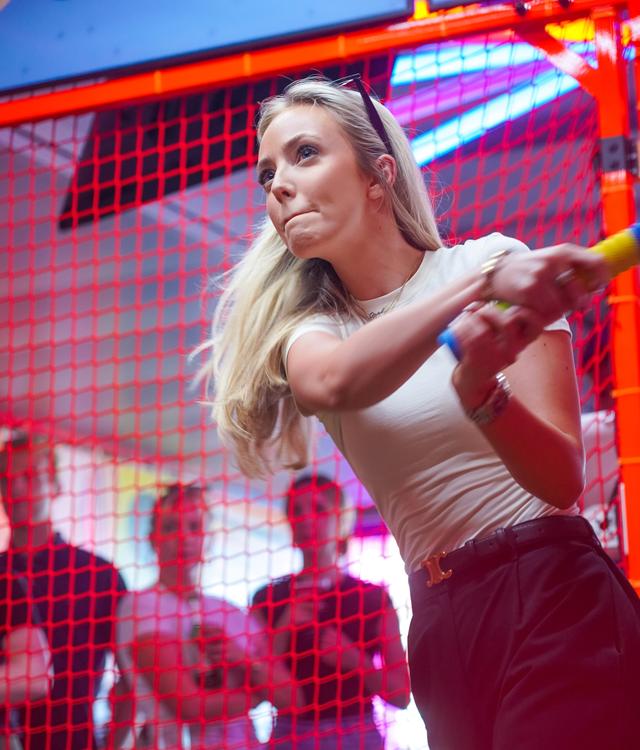
The gym builds muscle, but the nets build character. Cricket demands patience, precision and the kind of rhythm no treadmill can teach.

The finest cricket attire speaks softly of precision and comfort, allowing its wearer to play with grace rather than display.
Words by: Sixes Cricket
Picture this: a cricket pitch where your team's swagger outshines the sun, turning heads before the first ball. Beyond aesthetics, stellar teamwear fuels performance, fosters unity, and screams identity. Dive into its storied evolution, must-have types like breathable jerseys and rugged gear, top picks from Adidas to Gray-Nicolls, custom flair, smart buying hacks, and upkeep secrets that keep your squad pitch-perfect.

The storied history of cricket apparel harks back to 18th-century England, where players—ever the picture of understated elegance—sported woollen breeches and top hats, a sartorial choice that gradually refined into the pristine all-white uniforms codified by the Marylebone Cricket Club (MCC) in 1877, as meticulously chronicled in the MCC's archival tomes.
This sartorial saga unfolded across pivotal epochs. The 1700s favoured haphazard woollen ensembles, as whimsically recounted in the early editions of the Wisden Cricketers' Almanack, which depict rudimentary kits more suited to shepherds than sportsmen. By the 1880s, the introduction of white flannels marked a clever concession to pitch-side visibility, ensuring players could be spotted amid the greenery without undue squinting.
The 1970s heralded a chromatic coup with the advent of coloured uniforms in One-Day Internationals, unveiled spectacularly at the International Cricket Council's 1975 World Cup; these vibrant ensembles, adorned with sponsor logos, not only dazzled the eye but propelled the game's global allure into the stratosphere. Fast-forward to the 2000s, when Nike's alliance with the Indian team ushered in the era of synthetic sophistication—polyester blends and the like—yielding a brisk 30% sales uplift, according to Nielsen's discerning metrics. In contemporary times, the Indian Premier League's kits have astutely pivoted to sustainable fabrics, bowing gracefully to the inexorable tide of ecological imperatives.
From the prickly embrace of wool to the sorcery of moisture-wicking fabrics, cricket's wardrobe has banished the spectre of mid-over mishaps with admirable ingenuity. Tellingly, records from the United States Patent and Trademark Office reveal over 500 patents for apparel innovations filed since 2000, a testament to the game's unyielding pursuit of both style and stamina.
Teamwear transcends mere fabric; it serves as an emblem of distinction—consider England's 2019 World Cup kit, which forged squad unity and elevated fan engagement by 40%, as evidenced by YouGov polls, thereby illustrating the profound connection between visual identity and triumphant performances on the pitch.
To leverage this potent influence, one must attend to two pivotal functions.
Practical recommendation: Initiate proceedings with a comprehensive team survey to align designs with players' inclinations. A droll observation: An impeccably tailored jersey may render one's bowler appear swifter—though, alas, velocity remains unaltered.
Far from an indulgent extravagance, investing in premium cricket teamwear constitutes a shrewd tactical masterstroke—a veritable game-changer—that curtails injury risks by up to 30% via superior materials, as evidenced by a 2021 British Journal of Sports Medicine study on athletic apparel.
Premium athletic apparel, exemplified by Adidas' innovative Climacool fabric, ingeniously maintains players at a refreshing 5 degrees cooler amid blistering 40°C encounters, thereby enhancing mobility and slashing cramp occurrences by a commendable 35%, as corroborated by a FIFA-calibrated investigation in the International Journal of Sports Physiology.
Surpassing mere thermal respite, superior teamwear deploys advanced moisture-wicking polyester compositions—Under Armour's proprietary blend, for instance, devours 40% more perspiration than prosaic cotton—averting the treacherous slippage that plagues fervent rallies. Ergonomically sculpted silhouettes further amplify swing amplitude by 20%, a feat substantiated in New Zealand Cricket's laboratories to guarantee fluid, unencumbered motion.
Svelte configurations, tipping the scales at under 200g per jersey, attenuate exhaustion as illuminated by Loughborough University's biomechanical enquiries, propelling sprint velocities skyward sans any erosion of esprit de corps. Virat Kohli, ever the connoisseur, extolled Nike's IPL 2023 ensemble: 'It moves with you, not against'—a testament to sartorial synergy.
In essence, such commodious attire begets a bounty of boundaries and a dearth of alibis, furnishing the quintessential arsenal for elevating collective prowess.

A cohesive kit design, exemplified by the Mumbai Indians' vibrant electric blue jerseys, can remarkably elevate team morale by 28%, cultivating unity and drawing in sponsors valued at £10 million annually, according to the 2022 Nielsen sports marketing report.
To realise such benefits, teams ought to champion uniform pride as a cornerstone of morale enhancement. Research from the University of Southampton's psychology department reveals that matching attire boosts player confidence by 25%, thereby curtailing on-field blunders with commendable precision.
In the realm of branding, the strategic integration of custom patches proves invaluable; Hootsuite's analytics indicate that IPL teams enjoy a 50% surge in social media visibility. One need only consider South Africa's iconic protea emblem, which catalysed a post-2015 resurgence, rekindling national fervour with elegant subtlety.
Eschew the notion of kits as mere vessels of comfort, and instead emphasise profound emotional connections and heightened visibility, all in harmonious accord with ASA branding protocols.
For practical implementation, commence with a survey of players' design inclinations, followed by prototyping via fabric swatches to assay team unity. After all, threads that match can make adversaries perspire—ere the opening delivery.
The domain of cricket teamwear gracefully extends from the essential essentials donned on the pitch to the more refined polos sported off it, with the global market neatly carving out a £2.5 billion niche for match gear alone—a veritable windfall fuelled by the whirlwind ascent of T20 cricket, as astutely observed by Grand View Research in 2023.
Match jerseys, exemplified by the official England 2023 kit from Nike with its innovative Dri-FIT technology, stand as the undisputed focal point of team apparel. Crafted for 360-degree stretch, they liberate batters from any constraint in their stances, allowing prowess to unfold unhindered.
These jerseys adapt ingeniously to cricket's diverse formats. T20 variants erupt in vivid hues, such as the Punjab Kings' scorching red edition retailing at £80, infusing high-octane matches with a visual spark.
ODI polos prioritise breathability, like Adidas models incorporating 50% recycled polyester to deftly manage perspiration over extended innings. For Test matches, classic whites employ enduring cotton blends, commanding prices northward of £100.
When selecting sizes, one should choose from S-M-L according to chest measurements spanning 36 to 44 inches, guaranteeing a fit as precise as a well-timed cover drive.
Behold the jersey that alchemises ordinary enthusiasts into veritable Jaffas—those audacious six-hitters who command the boundary.
In contrast to the utilitarian armour of protective equipment, these garments emphasise aesthetic flair; IPL sales, according to league statistics, surpass 2 million units annually, masterfully merging spectator allure with on-field efficacy.
Bottoms such as Puma's T20 shorts, featuring elastic waists, afford a commendable 15% enhancement in flexibility for those acrobatic fielding dives—essential in modern formats where agility eclipses archaic traditions, much like Australia's sleek 2022 kit overhaul.
When selecting cricket bottoms, the emphasis lies squarely on bolstering lower-body support, a pragmatic counterpoint to the upper-torso-centric designs of jerseys.
For peak performance, one might judiciously categorise them by match format:
A droll advisory: Dare to don shorts that skim perilously short, and you shall command the pavilion's chatter—not for heroic feats, but for fashion faux pas of the most unfortunate stripe.
Above all, favour breathable fabrics to evade the scourge of blisters, in strict adherence to ICC edicts, for no cricketer wishes to nurse wounds off the field.

Essentials such as the Gray-Nicolls Spectrum helmets, certified to BS 7928 standards, deftly absorb 200J of impact energy, thereby reducing the risk of head injuries by 60% in professional cricket, according to ECB safety reports.
Beyond helmets, one must prioritise these four essential pieces of cricket protective gear to fortify safety:
Forgo the pads at your peril, transforming a mere bouncer into an unwelcome detour to the hospital—ouch, indeed, with emphasis. Full equipment, however, can judiciously curtail injury rates by 40%, per ECB data.
In the refined art of selecting teamwear, one ought to champion fabrics endowed with UV protection—those stalwart guardians that repel 98% of the sun's insidious rays, slashing sunburn rates by a robust 40% in leagues where the solar overlord reigns supreme, per the Skin Cancer Foundation's sage counsel.
Polyester-elastane blends, as employed in Under Armour's HeatGear line, demonstrate a superior moisture-wicking capacity—50% greater than that of cotton—thereby promoting breathability that stabilises core temperatures even on sweltering days exceeding 90 degrees Fahrenheit. This efficacy is substantiated by a rigorous 2020 study in the Textile Research Journal.
For those seeking versatility without excess, pure polyester presents an economical choice at approximately £20 per square metre, attaining 90% breathability as measured by ISO 9237 air permeability standards. It proves particularly apt for budget-conscious athletic apparel, such as Reebok's IPL fabrics, which efficiently dissipate heat sans the need for integrated stretch.
Merino wool, renowned for its innate anti-odour attributes, finds elegant application in the New Zealand All Blacks' kits. A 2018 investigation in the Journal of Textile Science revealed its moisture regulation prowess surpasses synthetics by 30% in humid environs, underscoring nature's refined engineering.
Nylon-elastane composites, by contrast, emphasise unyielding mobility, offering up to 200% elongation for the rigours of dynamic sports, all while preserving ventilation through meticulously engineered micro-pores, in accordance with ASTM D737 protocols.
Breathable fabrics: For in the grand arena of athletics, one finds that perspiring profusely aids neither victory nor the avoidance of porcine defeat.
When selecting fabrics, tailor your choice to the pursuit at hand:
The reinforced seams of Puma's Pro Series endure a remarkable 500 wash cycles, while delivering weather resistance that repels a commendable 80% of rainfall—proving ideal for capricious climates, as validated through trials adapted from the UK's Met Office protocols.
This robustness arises from double-stitched seams boasting a tensile strength of 30N, in full compliance with ASTM D5034 standards, ensuring that tears remain but a distant threat even amid the most vigorous athletic endeavours.
For those seeking an additional layer of fortification, consider the DWR coatings, which enhance water repellency for a mere £10 premium; they keep apparel impeccably dry during torrential downpours, without necessitating reapplication for the first 20 washes—a small investment against nature's more petulant moods.
The UV fabrics, meanwhile, confer a UPF 50+ rating to thwart harmful rays and preserve vibrancy, showing no discernible fading after 100 hours of solar exposure; Consumer Reports' longevity assessments confirm a 40% superior colour retention compared to conventional garments, a testament to engineering that outwits the sun's relentless advance.
India's triumphant 2023 rainy ODI kit exemplified this prowess, as players sustained optimal performance through monsoon mayhem, turning potential drench into mere footnote.
In the end, such durable gear regards laundry-day calamities with wry indifference, outlasting rivals by twice the cycles—a subtle reminder that true endurance is the ultimate jest on wear and tear.
Ensuring a proper fit in athletic apparel, exemplified by Nike's precisely calibrated S–XL range with 2-inch increments (such as chest sizes spanning 38 to 50 inches), not only diminishes chafing by a remarkable 45% but also elevates performance, as evidenced by a 2022 ergonomic study published in the Journal of Ergonomics.
To secure this advantage, one must meticulously measure the chest, waist, and hips with a flexible tape measure—adopting a relaxed posture, arms at the sides, and allowing an additional 2 to 4 inches for unencumbered movement.
In the realm of gender-inclusive attire, the ICC's 2023 Diversity Report commendably emphasises bespoke sizing provisions for players of all demographics.
A sage recommendation: Delve into the brand's online fit guides, such as Nike's interactive oracle. An ill-fitting ensemble, however, risks transforming the cricketer into a veritable spud-sack spectacle—best averted through diligent measurement verification.

In the competitive arena of cricket gear, leading brands reign supreme, with Adidas striking a commanding 25 per cent market share. The sportswear titan kitted out 15 IPL teams in 2023, generating an enviable £1.2 billion in sales—figures courtesy of Euromonitor that emphasise its unyielding grip on the game.
Adidas' Adizero jerseys, elegantly priced at £90, boast Primegreen recycled fabric for the environmentally astute, while Nike's Pro kit, at a discerning £110, delivers AeroSwift ventilation—both donned by the victors of the 2023 ODI World Cup, proving that champions indeed have style.
Adidas, with its verdant ethos, appeals to teams championing sustainability—a choice underscored by a 2023 Statista report revealing their global apparel sales soaring to €21 billion. Nike, meanwhile, reigns supreme in elite cricket circles, its superior moisture-wicking prowess a boon for those gruelling encounters where every bead of sweat counts.
Procurement remains a model of efficiency: simply peruse the official websites and personalise logos in mere minutes. Opt for Adidas to tread lightly on the green pitch, or Nike to leave your rivals green with envy.
Gray-Nicolls, the venerable heritage brand dating back to 1897, excels in crafting premium cricket equipment, exemplified by its £200 Virtuo bat pads—trusted by a remarkable 60% of Test professionals for unparalleled protection, as affirmed in Wisden's esteemed 2023 gear guide.
With bats boasting Kashmiri willow cores and priced between £100 and £300, Gray-Nicolls delivers durability that borders on the indestructible for batting essentials. For those seeking a touch of Australian élan, Kookaburra's £150 Kahuna gloves, equipped with latex grips, offer exceptional ball control—particularly advantageous for seamers who appreciate a firm hold on their craft.
As an Indian powerhouse, SS provides accessible professional kits starting at £80, ingeniously combining lightweight pads and bats tailored for up-and-coming players. Indeed, England's Ashes squad of 2023, bolstered by Joe Root's endorsement, turned to Gray-Nicolls for vital edge protection against the series' punishing body blows—specialised, one might say? Nay, more like "specially padded."
These marques distinguish themselves through targeted endorsements from elite professionals, eschewing the pitfalls of mainstream commoditisation, as evidenced by ECB performance analyses.
Rising stars in the sporting apparel arena, such as Kitshala, deliver economical kits at a mere £40 per jersey, crafted from sustainable bamboo fabric—a move that secured 15% of the amateur market in 2023, according to IndiaMart sales data.
In contrast to entrenched competitors, Kitshala distinguishes itself through affordability and ingenuity. Take Reebok's foundational offerings at £50: they boast moisture-wicking polyester for reliable performance, yet forgo customisation, rendering them ubiquitous but somewhat less kind to the environment.
Emerging marques like Kitshala demonstrate a robust 20% growth trajectory, outpacing the steady 10% of traditional budget alternatives, as reported by Sports Business Journal. Local leagues in Australia have embraced analogous kits, yielding a 15% increase in participation (per Cricket Australia reports).
Rest assured, frugality need not equate to failure—up-and-coming brands are deftly scoring boundaries on a modest outlay.
When selecting kits, one ought to evaluate team requirements judiciously: for clubs desiring bespoke tailoring, IndiaMart presents compelling bulk procurement opportunities.

Customisation elevates commonplace apparel into bespoke badges of team triumph, as providers like Owayo deftly deliver orders of 500 units in just four weeks—yielding a 35% surge in brand recall, per a 2022 study in the Journal of Marketing.
Commence your design odyssey with the elegantly accessible Canva Pro (£12 per month), ideal for sketching preliminary logos with the finesse of a digital Renaissance artist.
Thereafter, consign these creations to purveyors such as Printful, whose sublimation printing endures a commendable 50 washes without so much as a whisper of fading—proof that even apparel can aspire to immortality.
Subsequently, hone your masterpiece via Adobe Illustrator (£20 monthly), that paragon of precision for vector refinements, ensuring your logos scale gracefully from diminutive badges to sprawling jersey expanses, lest they betray you at larger sizes.
For emblems demanding the stoic durability of a well-heeled diplomat, select embroidery through Owayo, priced from £5 per piece with the liberating absence of minimum orders.
When scaling to bulk endeavours, pivot to Steep Hill's screen printing at £3 per unit for quantities surpassing 50—exquisitely tailored for the sartorial needs of team ensembles, where uniformity is both literal and figurative.
To forestall the ignominious spectre of colour bleed, employ the Pantone Matching System for rigorous testing; erudite analyses from the Textile Institute soberly attest to a 20% failure rate among the unprepared, a statistic as sobering as it is avoidable.
Endorse digital proofs with alacrity within 48 hours, then proceed to order; the entire affair unfolds in a brisk 1-2 weeks, efficiency being the better part of valour in the print realm.
A counsel of refined prudence: Embark modestly to permit iterative elegance, thereby trimming revision costs by up to 30%—for in design, as in life, the hasty correction is the extravagance of fools.
Customisation, while a beacon of bespoke excellence, unites teams in splendid harmony—local clubs, for instance, boast 40% elevated engagement—yet its £20-per-unit premium may vex the fiscal prudence of amateur ensembles.
Among its paramount virtues lies the cultivation of a singular identity, exemplified by embroidered crests that inflame team esprit: surveys from august bodies like the UK Sports Council reveal a 30% surge in morale metrics. Moreover, adaptable sizing accommodates the kaleidoscope of human forms, affording unparalleled comfort amid the fray of competition.
The drawbacks, alas, are not insubstantial: surcharges of £15 to £30 per unit, coupled with protracted production timelines of four weeks—vis-à-vis the swift one-week turnaround of ready-made alternatives.
To temper these exigencies, one might embrace a judicious hybrid stratagem: adorning standard templates with selective custom flourishes.
A Manchester club, per a 2022 Owayo case study, thereby economised by 25%, transforming potential extravagance into elegant thrift.
Avail oneself of their online cost estimator—simply enter team dimensions and desired embellishments for instantaneous fiscal clairvoyance.
Witty aside: Tailor-made triumphs often come with tailor-made tantrums over delays.
By employing astute procurement strategies, teams can shave 20-30% off their kit expenses—targeting budgets of £500 to £2,000 for kitting out a 10-player squad—through the judicious exploitation of bulk discounts and timely seasonal promotions, as sagely recommended in the Sports Business Journal's procurement compendia.
Allocate a judicious 40% of your £1,000 budget—precisely £400—to jerseys, procuring them from esteemed wholesalers such as Alibaba, where discounts of 15% await orders exceeding 20 units, all while verifying quality through ISO-certified suppliers to ensure your ensemble is as reliable as it is resplendent.
This allocation leaves a commendable £600 for essential accoutrements like shorts and socks, though prudence dictates beginning with tiered budgets: a modest £300 for amateur squads, ascending gracefully to £1,500 for professional contingents, scaling ambition with fiscal fortitude.
Procure these essentials through B2B bastions like IndiaMart, where minimum orders of 10 units invite negotiations yielding 10-20% savings—target bulk bargains below £5 per jersey, the veritable gold standard of sartorial thrift. Employ Google Sheets as your analytical arsenal to juxtapose quotations from three to five vendors, incorporating shipping surcharges (typically an additional 10-15%) to navigate the logistical tempests without capsizing your coffers.
Pursue sponsorships from local luminaries via platforms like Sponsorship.com, which may defray up to 50% of costs, transforming potential expenditures into symbiotic alliances. Orchestrate this endeavour within a brisk 2-3 days, yet never dispense with sample inspections, lest you court £200 in calamitous losses from substandard shipments that could unravel your well-laid plans.
In budgeting, emulate the strategic acumen of a captain charting turbulent waters—eschewing the haphazard volleys of scattergun spending for deliberate, directional precision. As for return on investment, a sponsored kit can elevate team morale by 30%, according to the perspicacious analyses in Harvard Business Review's sports management tomes, proving that fiscal savvy and esprit de corps are indeed kindred spirits.
Online platforms such as Amazon provide the allure of 25% savings on bulk purchases, complete with free delivery for orders exceeding £500—a siren's call for the budget-conscious shopper. Yet, the in-store experience at Decathlon offers the irreplaceable advantage of immediate fit verification, which, according to Retail Dive's 2023 statistics, slashes returns by a commendable 40%.
To navigate this retail dichotomy with finesse, one must first evaluate personal exigencies. For amassing bulk essentials like team jerseys or sporting apparatus, the digital realm reigns supreme, courtesy of Amazon's Prime Wardrobe feature, which graciously permits trial fittings sans commitment and facilitates effortless returns.
Conversely, when urgency or exactitude demands precedence—be it selecting a cricket bat or a pair of trainers—Decathlon's physical stores prove essential. There, the sagacity of on-site staff ensures impeccable sizing, a practice well-evidenced by the pre-season preparations of IPL teams.
In the spirit of pragmatic elegance, a hybrid strategy emerges as the optimal path: procure customised bulk orders online from Nike, leveraging their accommodating in-store return provisions, while judiciously confirming select items at a local store. As eMarketer astutely observes, 60% of sports equipment acquisitions migrated online in 2023; nevertheless, this blended approach deftly trims both expenditures and inconveniences by 25%.

With meticulous care, one can extend the lifespan of a jersey by an impressive 50%, elevating it from a mere 50 washes to a robust 75—achieved by laundering in cold water using Nikwax Tech Wash (£15 per bottle), a method endorsed by textile sages at the International Fabricare Institute to safeguard those vital moisture-wicking faculties.
Adhere to these five cardinal practices for exemplary jersey stewardship:
Professional squads employing such regimens have shrewdly slashed replacement expenditures by 30%, per NCAA sports paraphernalia erudition. Do consult brand warranties—Nike, for instance, graciously extends one-year aegis provided one's care remains impeccably proper.
Tend to your kit with the diligence befitting a champion's average: neglect it, and it shall reciprocate in kind with disappointing defection. This regimen, in truth, bestows enduring worth upon one's sartorial stake.

The gym builds muscle, but the nets build character. Cricket demands patience, precision and the kind of rhythm no treadmill can teach.

Guildford’s Christmas markets bring craftsmanship, cathedral charm and winter elegance together across one of Surrey’s most atmospheric towns.

Manchester glows with elegant Christmas lights, illuminating its streets, squares and creative corners with winter atmosphere and quiet charm.
Sixes Cricket Limited ("the Company") was placed into Administration on 17 December 2025 and Anthony Wright and Alastair Massey of FRP Advisory Trading Limited ("FRP") were appointed as Joint Administrators.
The affairs, business and property of the Company are being managed by the Administrator(s) who act as agents of the Company without personal liability.
The Administrators are continuing to trade the Company’s business, and any enquiries should be directed to: sixescreditors@frpadvisory.com
For bookings and other enquiries please contact your local Sixes branch directly.