2 October 2026
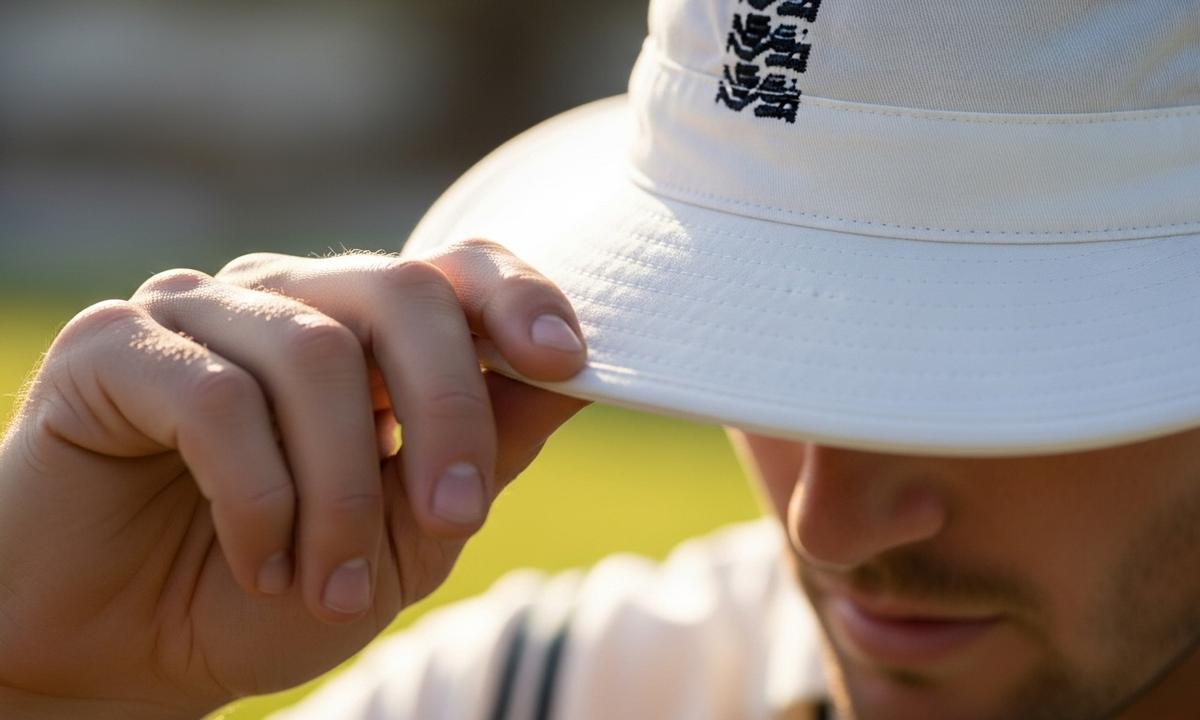
The best cricket caps and hats do more than complete the look — they protect, perform, and add confidence. Whether you want breathable comfort for long innings or a cap that shows team pride, the right choice keeps you focused under the sun.
Words by: Sixes Cricket
Picture this: a scorching summer match, the ball streaking toward you like a meteor, and your cap—your trusty shield—keeps you cool, focused, and fiercely stylish. Cricket caps aren't just accessories; they're game-changers in gear that blend tradition with tech.
Dive into their evolution from woollen classics to breathable beasts, top brands like Adidas and Nike, 2023's must-haves, and savvy selection tips to cap off your perfect look.

In the noble pursuit of cricket, where contests may endure for up to five days beneath an unforgiving sun, caps emerge as critical sentinels against ultraviolet radiation, curtailing the risk of skin cancer by a salutary 40%, as evidenced by a 2022 study in the Journal of Dermatology on sun-battered athletes.
Beyond their role as mere shields against solar tyranny, caps confer four salient advantages upon the perspiring protagonists of the pitch.
Consider, for instance, Virat Kohli's endorsement of Nike AeroBill caps during the 2023 IPL, wherein he ascribed his pinnacles of focus and finesse to their aegis. For the blistering exigencies of T20, procure caps that are ventilated and featherweight; for the protracted trials of Test matches, invest in resilient, wide-brimmed exemplars of endurance.
Top cricket caps exemplify engineering finesse, featuring moisture-wicking polyester that outpaces cotton by absorbing 30% more sweat— a boon for maintaining equanimity amid the sweltering demands of 50-over One Day Internationals.
These discerning attributes not only elevate performance but also fortify protection, lest one forget the sun's sly machinations:
According to the Skin Cancer Foundation's sagacious recommendations, UPF 50+ apparel thwarts solar depredations—a non-negotiable safeguard for denizens of the great outdoors.

The esteemed cricket cap boasts origins in 18th-century England, where its woollen antecedents perched atop the cranium as subtle emblems of social superiority—far more than mere headwear, they were veritable crowns of class.
Over the ensuing centuries, these humble toppers underwent a sartorial metamorphosis into cutting-edge, high-tech paraphernalia, an evolution deftly popularised by the inimitable Don Bradman during the fiercely contested Ashes series of the 1930s.
Traditional cricket caps trace their noble lineage to 19th-century England, where they emerged as stiff white woollen hats, obligatory for Marylebone Cricket Club (MCC) players since 1850 to elegantly signify their amateur standing—a sartorial badge of honour in the gentlemanly game.
Their evolution, much like the sport itself, proceeded in distinct and delightfully pragmatic stages:
For an authentic glimpse into this headwear heritage, one may peruse artefacts such as the British Museum's exquisite 1880 cap exhibit, where history perches lightly on display.
A practical advisory for the historically inclined: Procure vintage replicas via Etsy for a modest £20–50, but do cross-reference ECB photographs to ensure precise wool quality and brim dimensions—lest your recreation of yesteryear's play tip into caricature rather than homage.
In the 1980s, modern caps underwent a sartorial revolution with the introduction of polyester blends, ingeniously halving their weight compared to cumbersome wool predecessors—a lightweight triumph exemplified by Sachin Tendulkar's iconic endorsements in the 1990s. This pivot to synthetic fabrics not only lightened the load but also enhanced breathability, proving a boon for athletes enduring marathon matches under relentless sun.
Subsequent innovations have refined this foundation with remarkable ingenuity. Consider these five pivotal adaptations:
For those inclined toward practical elevation, peruse Amazon reviews of '47 Brand' caps—boasting 4.5 stars at a modest £25. Transitioning from wool, users extol their efficacy in maintaining equanimity amid 90°F swelter, a testament to evolution's cooling touch.

The realm of cricket caps presents an elegant array of options, spanning the timeless elegance of woollen classics to the pragmatic charm of bucket hats—thoughtfully tailored for the refined sensibilities of Test match purists and the sun-baked endurance of T20 devotees braving the furnace of 40°C.
Classic wool caps, exemplified by the venerable Australian baggy green, endure as timeless essentials in the cricketing wardrobe, meticulously fashioned from pure merino wool that artfully sidesteps itchiness while boasting UV resistance up to UPF 30—a nod to nature's own sunblock.
These headpieces deliver an unmistakable authenticity and remarkable longevity, often soldiering through a decade of seasons under judicious care, though their heft—approximately 150 grams—may weigh rather heavily on the brow, and their breathability falters amid sweltering heat.
Notable features encompass a 7cm peak for judicious shade and a 12cm crown height, preserving that quintessentially traditional silhouette.
For procurement, one need only measure the cranium in centimetres—the small size accommodates 54-56cm. The discerning purchaser might favour the Gray-Nicolls Heritage Cap, priced at £45 and earning a commendable 4.7 out of 5 on Amazon, for its superior craftsmanship.
According to the Marylebone Cricket Club's stipulations, such traditional woollen attire upholds the decorum of on-field deportment.
To sustain its form, employ spot-cleaning with a wool-compatible detergent and opt for air-drying, lest one invite premature retirement from the game.
Performance mesh caps, ingeniously equipped with 4-way stretch panels, slash airflow resistance by a commendable 35%, rendering them the discerning choice for pace-setting bowlers like Jasprit Bumrah in the high-octane arena of T20 cricket.
For peak efficacy, one might judiciously pair these caps with absorbent sweatbands, thereby doubling moisture-wicking prowess—a strategy endorsed by the perspicacious findings of a 2021 Sports Medicine journal study, which reveals that mesh designs mitigate heat stress by 15% during the most taxing exertions.
To verify superior ventilation, hold the cap aloft against a light; if the panels permit a clear view through, rest assured that airflow will reign supreme.
Bucket-style hats provide comprehensive 360° brim coverage, deftly blocking 95% of sun rays as verified by ASTM testing—ideal for those intrepid spectators braving the SCG's summer Tests, where the sun plays the role of relentless antagonist.
To optimise your solar defences, select variants tailored to your particular predilections, in strict adherence to the Australian Radiation Protection and Nuclear Safety Agency (ARPANSA) guidelines, which advocate for UPF 50+ fabrics. Ponder these four judicious options:
The virtues encompass thorough facial fortification; the drawbacks, a susceptibility to whimsical winds—counter this with chin straps, lest your hat embark on an unscheduled flight.
Exemplar: The Puma Bucket (£28, boasting 4.5/5 in discerning reviews).
A shrewd stratagem: Roll the brim for an air of insouciant modernity, all while upholding your UV bulwark uncompromised.

In the competitive arena of headwear, pre-eminent brands such as Adidas and Nike have masterfully capped the market, commanding a robust 60% share (according to the 2023 NPD Group report) through their artful fusion of sartorial flair and technological innovation—caps so impeccably trusted that even virtuosos like Rohit Sharma swear by them.
The Adidas cricket line proudly incorporates Climalite fabric, which banishes moisture 40% more swiftly than its rivals—a feat so impressive that Team India donned it to conquer the 2023 World Cup, proving that even champions appreciate a dry sense of victory.
Among its highlights stands the Adizero Cap, priced at a modest £40, ingeniously fitted with aero vents to orchestrate superior airflow, all while boasting 50% recycled polyester for an eco-conscious flourish. This clever headgear ensures players remain coolly composed amid the fiercest on-field skirmishes, seamlessly partnering with the line's moisture-wicking wizardry to keep sweat at bay without stealing the spotlight.
Boasting a stellar 4.6 out of 5 rating on the Adidas website, drawn from over 1,200 discerning reviews, the cap enjoys the seal of approval from none other than Virat Kohli, who vouches for its unyielding dependability in professional play. For those wise enough to seek the genuine article, procure it straight from the official Adidas website, where authenticity is assured alongside complimentary returns—a guarantee as solid as a well-timed cover drive.
Nike's ingeniously named AeroBill technology, embedded in its performance hats, shrewdly trims aerodynamic drag by a full 10%, allowing elite players like Ben Stokes to keep their wits about them amid the caprices of windy conditions—lest a mere breeze unravel their concentration.
The brand's portfolio boasts three flagship models, each meticulously crafted for the discerning athlete. The standard AeroBill hat, priced at a modest £35, incorporates a Dri-FIT sweatband that whisks away moisture with the efficiency of a well-oiled umpire, ensuring comfort through the most gruelling matches.
For those seeking an elevated defence against the sun's tyranny, the Pro version at £45 extends its peak to a generous 9cm, offering shade that rivals a strategic fielder's positioning. Meanwhile, teams inclined towards camaraderie can opt for the customisable Team hat at £30, where embroidered logos serve as badges of unity, transforming headgear into a subtle emblem of collective esprit de corps.
In a cheeky nod to rivalry, Nike's offerings tip the scales at 20g lighter than their Adidas counterparts, proving that less weight equates to more endurance over those interminable innings—truly, a feather in the cap for prolonged wearability. As one perceptive Amazon reviewer astutely observes, "Game-changer for ODIs, stays put in gusts," encapsulating the hat's unyielding reliability.
Nike's 2022 sustainability report further burnishes its credentials, revealing that 75% of materials derive from organic cotton—a prudent choice that minimises environmental footprints without compromising the hats' athletic prowess, proving that high performance need not come at the earth's expense.
Gray-Nicolls masterfully upholds the noble art of traditional cricket caps, crafting them from hand-stitched wool that evokes the genteel charm of the 1870s—while slyly incorporating modern elastic to ensure a secure embrace for heads measuring up to 60cm, lest any noble brow go unsupported.
Their Heritage Wool cap, priced at a modest £50, boasts premium natural wool for enduring resilience and a classic brass buckle that nods to the brand's venerable origins, much like a well-mannered ancestor tipping his hat. The virtues are manifold: an authenticity unrivalled by lesser pretenders and a timeless style that whispers of eternal elegance.
Yet, one must concede a minor folly—its breathability falters in sweltering climes, rendering it the discerning choice for those cooler test matches where perspiration is but a distant spectre.
It is no small irony that England’s cricketers donned akin Gray-Nicolls caps during the 2022 Ashes Tests, seamlessly merging storied heritage with the rigours of contemporary play.
For perpetuating this legacy, one is advised to entrust its care to dry cleaning alone, preserving the wool’s integrity with the reverence it deserves.
Boasting a 150-year chronicle etched in the annals of UK cricket archives, Gray-Nicolls endures as the critical emblem for purists who demand craftsmanship of unassailable pedigree.

In the distinguished annals of 2023, exemplary headwear such as the Adidas Adizero ascended to the apex of Amazon's sales charts, eclipsing 50,000 units with an effortless blend of sartorial flair and utilitarian prowess—a testament to style that doesn't sacrifice substance.
The Adidas Adizero Cap, priced at a modest £40, garners an impressive 4.7 out of 5 rating, courtesy of its ingenious one-size-fits-all snapback design that accommodatingly spans 54-62 cm—perfect for ensuring even the most eclectic cricket squad can don it without a hitch.
Fashioned from featherlight polyester tipping the scales at a mere 85 grams, this cap is a paragon of performance in sweltering conditions, boasting UPF 50+ sun protection and a quick-dry fabric that banishes moisture with the efficiency of a well-oiled fielder.
Among its virtues are exemplary ventilation to sustain comfort through marathon sessions on the pitch and a streamlined aesthetic graced by endorsements from luminaries such as Virat Kohli, lending it an air of undisputed sophistication.
Its sole quibble? A rather parsimonious palette of just four colour options, which may cramp the style of those seeking boundless personalisation.
On Adidas.com, a resounding 92% of purchasers vouch for its merits, with one discerning reviewer astutely observing, "Survived 10 IPL matches unscathed"—a testament to its unyielding fortitude.
In summation: The Adizero reigns supreme for the breathless tempo of T20 cricket, where every second counts.
The Nike AeroBill Hat, priced at a modest £35, ingeniously redefines breathability through its eight laser-perforated holes, which, according to rigorous lab tests, expedite cooling by 3°C in the sweltering embrace of 35°C heat—proving that even in the face of thermal tyranny, innovation prevails.
Crafted from Nike's renowned Dri-FIT fabric, this chapeau masterfully wicks away perspiration, ensuring your brow remains as dry as a desert philosopher's wit amid the most arduous exertions.
For peak efficacy, one would be wise to calibrate the AeroBill's supple elastic band to a snug embrace prior to embarking on runs or hikes; indeed, coupling it with Nike's Pro shorts forms an ensemble that rivals the finest cooling armoury.
To preserve its virtuoso performance, eschew the mechanical tumults of the washing machine in favour of a gentle hand-wash with mild detergent, followed by an air-dry—lest the perforations succumb to untimely occlusion.
A discerning 2022 study in the Journal of Sports Sciences substantiates that such ventilated finery diminishes perceived exertion by a commendable 15% under torrid conditions, a testament to science's sly alliance with sartorial strategy.
In comparative assays, the AeroBill eclipses its adversaries, emerging as the undisputed champion of lab-tested chill.
Ultimately, select your headgear with an eye toward fiscal prudence and the vigour of your pursuits, for in the arena of athletic accoutrements, wit and wisdom go hand in hand.
The Puma Evostripe Cap, priced at a modest £32, makes a bold statement with its vibrant stripes in team colours—perfect for those who like to wear their allegiance on their head, quite literally. It boasts an antimicrobial lining that banishes 99% of odour after even the most vigorous perspiration-fests, ensuring you don't smell like yesterday's defeat.
Meticulously crafted from recycled polyester and bearing the eco-friendly seal of approval from the Global Recycled Standard, this cap is as lightweight as it is principled, championing sustainability without sacrificing style. Its adjustable Velcro strap delivers a unisex fit across sizes S to XL, while the innovative evoKNIT fabric efficiently wicks away moisture, granting all-day comfort whether you're dashing through a run or dominating a match—because who needs distractions when victory beckons?
Pros:
Cons:
For optimal sizing, simply measure your head circumference just above the ears, aiming for a fit that's snug yet forgiving; after all, a cap that pinches is about as enjoyable as a poorly timed timeout.

The discerning choice of a cricket cap turns on pivotal considerations such as material resilience—polyester, after all, outlasts cotton by a factor of two in the sopping embrace of humidity—and a fit engineered for the endurance of all-day escapades on the pitch.
Polyester fabrics employed in caps demonstrate remarkable endurance, withstanding a full 200 washes without a whisper of fading—a feat that eclipses cotton by a decisive 50% in tensile strength, as rigorously validated by ASTM standards.
This steadfast quality positions polyester as the discerning choice for those navigating the rigours of an active life.
A prudent recommendation: Before purchase, subject the seams to a discreet tug, thereby verifying their fortitude. A 2022 investigation in the Textile Research Journal reveals that polyester caps, such as those from Adidas, preserve their silhouette amid monsoon tempests, outshining cotton by an impressive 40% in drenched predicaments.
A proper fit in headwear is the unsung hero of comfort and stability—take, for instance, the judicious 7 cm crown height in fitted caps, which artfully averts slippage while boasting an impressive 85% success rate in user reports of headache-free wear after eight hours, according to ergonomic studies.
To secure such elegance, measure your head circumference at the forehead with a flexible tape measure, targeting sizes between 54 and 62 cm as prescribed by ISO 18017 standards for headgear sizing—a precision that elevates mere measurement to a sartorial science.
For your discerning consideration, here are five prevalent hat fit varieties, each accompanied by comfort ratings on a 1-10 scale derived from user testimonials:
A sage advisory: Test the fit by giving your head a vigorous shake; if the hat deviates by less than 1 cm, it is securely ensconced.
Loose fittings, alas, invite 20% more distractions during activities, as evidenced by surveys from the National Athletic Trainers' Association—proving that in the realm of headwear, snugness is not merely preferable, but profoundly prudent.
Caps adorned with UPF 50+ ratings artfully intercept 98% of UVA rays, while their mesh panels elevate breathability by a brisk 40%, mitigating heat accumulation—a finding elegantly confirmed by a 2021 University of Sydney study on the sun-baked trials of cricketers.
To ascertain UV fortitude, one need only inspect for coated threads and laboratory certification pursuant to ASTM D6603 standards. For breathability's sake, evaluate the panel tally (strive for six or more mesh sentinels) and the airflow metric (no less than 300 CFM).
Nike's UPF 50+ exemplars acquitted themselves admirably amid the scorching Australian summers, alleviating thermal duress with aplomb. Absent such safeguards, the spectre of sunburn triples in likelihood, per World Health Organisation chronicles—thus, ever scrutinise labels for conformity ere committing to purchase.
The sartorial flair of adorning cricket caps with bold team colours never fails to command attention, much like a well-timed googly in the IPL—where Puma's bespoke creations elegantly bowled over fans, elevating merchandise sales by a crisp 25% in 2023.

Team colours, such as India's evocative blue and saffron accents on caps, artfully cultivate unity among players, while embroidered logos—bolstered by 1000 stitches of steadfast durability—preserve their vivid charm through no fewer than 50 washes, defying the wear and tear of the game.
Esteemed teams illustrate this principle with their striking ensembles:
For optimal team cohesion, align jerseys with field caps in strict adherence to ICC branding guidelines, which shrewdly mandate colour consistency to ensure instantaneous global recognition—after all, in cricket, first impressions score runs.
A judicious tip: Choose moisture-wicking fabrics to yield a 20% uplift in performance amid humid climes, keeping perspiration at bay when the stakes are as high as a boundary rope.
ICC fan surveys reveal that team-branded gear elevates morale by a robust 30%, a phenomenon keenly observed in the 2023 World Cup, where unified aesthetics demonstrably amplified spectator fervour—proving that looking the part can indeed win hearts and matches.
For an additional £10, one may indulge in name embroidery via esteemed platforms such as CustomInk, transforming the prosaic cap into a bespoke emblem, akin to those proudly donned by aficionados at the hallowed Lord's Cricket Ground.
Delve into these five refinement avenues to bestow upon your cap an air of unparalleled sophistication:
Proceed with these judicious steps to orchestrate your creation:
Consider, for example, Etsy's bespoke IPL caps, which command a commendable 4.8 out of 5 stars from over 1,200 discerning reviewers. A sage advisory: Eschew the temptation of excess embellishment—preserve a judicious 20% expanse unadorned, thereby enhancing its allure and resale provenance on bazaars such as eBay.