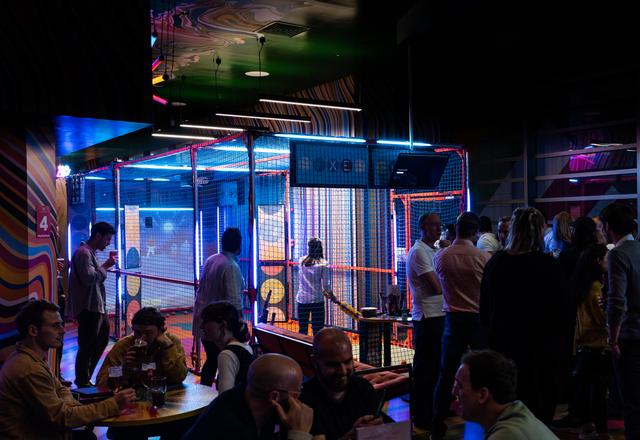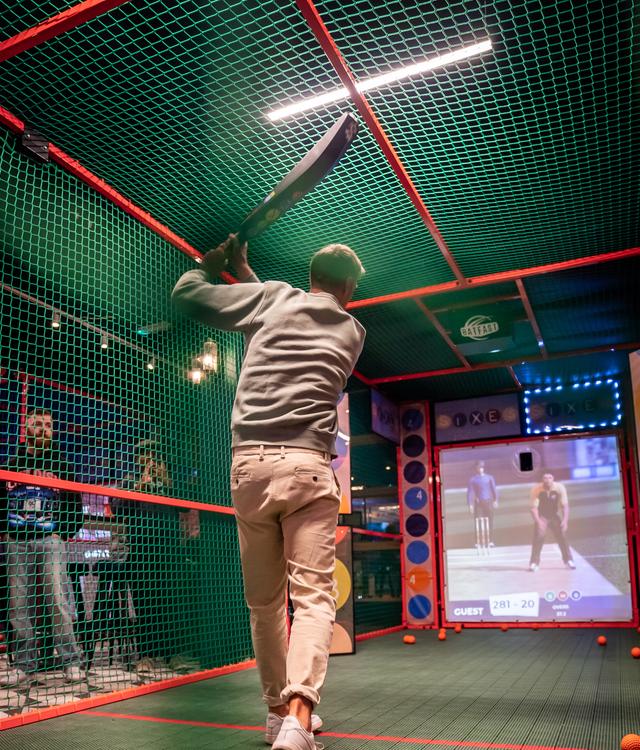
Trading the Gym for Cricket Nets
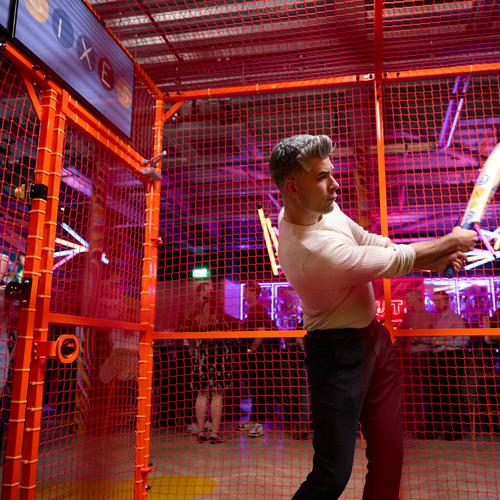
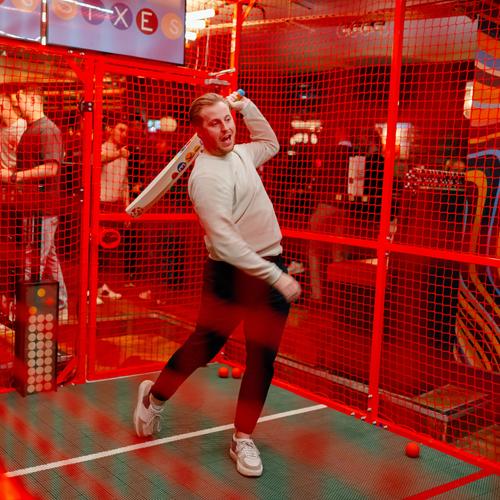
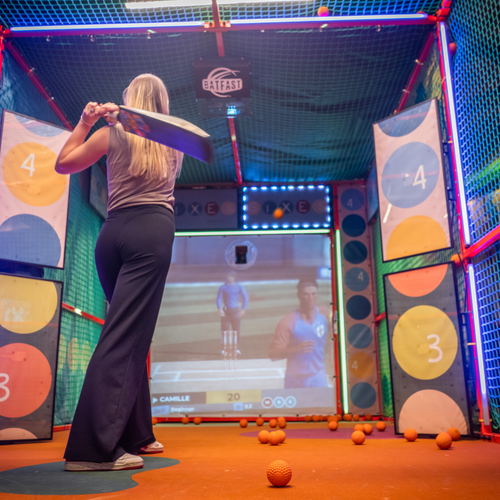
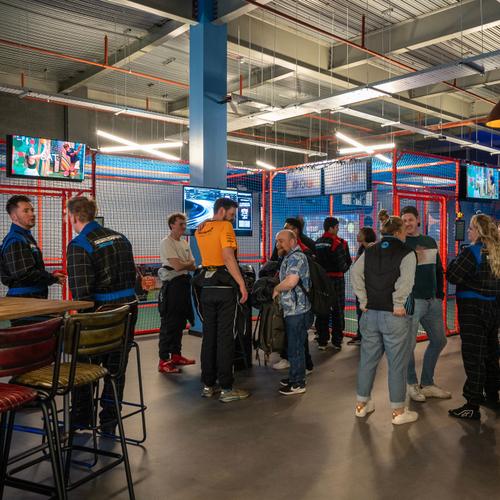
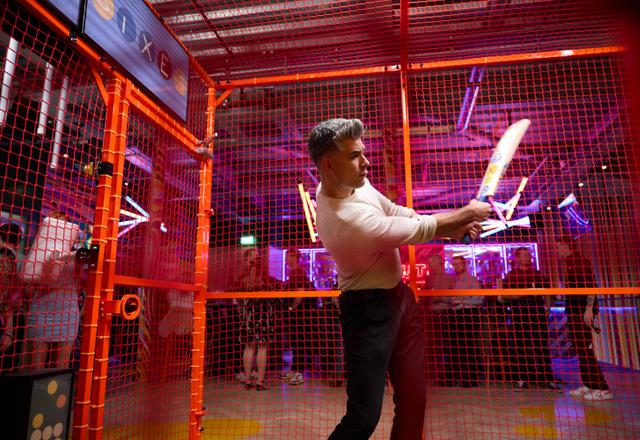
The gym builds muscle, but the nets build character. Cricket demands patience, precision and the kind of rhythm no treadmill can teach.

A well hosted corporate event blends intention, polish and quiet precision, creating an atmosphere where business and hospitality feel effortlessly aligned.
Words by: Sixes Cricket
Hosting a corporate event demands more than a few emails, a venue, and a tray of agreeable canapés. What you are really creating is an atmosphere, a momentary world in which colleagues, clients, partners and occasionally bewildered plus ones feel both welcomed and mildly impressed. A successful corporate event is part theatre, part diplomacy and part quiet logistics exercise carried out behind the velvet curtain. When it works, it feels effortless. When it does not, everyone notices. The difference rests almost entirely on preparation.
Corporate gatherings vary wildly. Some are grand seasonal affairs, others are intimate strategy sessions dressed in soft lighting to soften the blow of difficult conversations. Yet they share a single aim. They must bring people together in a way that feels purposeful, polished and pleasantly memorable. The following sections explore the craft of hosting such an event, from early planning and guest experience to visual coherence and those understated details that distinguish a forgettable reception from a rather good one.

Every elegant event begins with intention. Before selecting a venue or sending a single invitation, the host must answer the simplest and most consequential question. What is this event for. The purpose influences tone, style, duration and the type of experience your guests expect. An awards evening demands pageantry. A product briefing calls for clarity and confidence. A networking reception requires warmth, fluid movement and conversation led not by scheduled segments but by ambience.
Scope is the structural counterpart to purpose. It involves determining size, format, guest demographics and desired outcomes. Is the event an internal celebration or an outward looking showcase. Will the audience be composed of industry peers, stakeholders or internal teams. The answers shape everything from the seating plan to the soundtrack. Think of this stage as architectural drafting. Once the blueprint is drawn, the rest follows far more gracefully.
Selecting a venue is an exercise in proportion, character and practicality. The best venues do not shout. They possess a quiet confidence, the sort that allows your event to occupy the space without competing with it. Rooms with pleasing acoustics, generous natural light or architectural quirks tend to elevate the tone without demanding theatrical flourishes. A well chosen venue sets the rhythm. It gives your guests a sense that the evening will be dignified, thoughtfully curated and free from the sort of logistical missteps that plague less considered gatherings.
Capacity should be comfortable rather than crowded. Circulation space is vital, particularly for networking or exhibitions. Think of how guests will move through the room. Where conversations will naturally gather. Where lighting can be softened without rendering faces unrecognisable. A venue chosen with intelligence ensures that every moment of the event feels composed rather than improvised.

The corporate event checklist is the organiser’s finest ally. It embodies all the practicalities that the public never sees yet instinctively senses. These include audiovisual arrangements, staffing levels, seating plans, dietary requirements, decorative elements, branding placements, accessibility considerations and those trivial seeming details that ensure an evening runs with the calm efficiency of a quietly well run household.
A good checklist imposes order upon a complex undertaking. It turns an overwhelming mass of decisions into a clear sequence of actions. Consider it the conductor’s score. Without it, even the loveliest venue and the most capable catering team may descend into mild but unmistakable chaos. With it, the event takes on a steady tempo that guests experience as polished professionalism.
Corporate events are ultimately about people. Their comfort, their engagement and their subtle satisfaction are the true measures of success. Guests should feel gently ushered into the experience from the moment they arrive. Clear signage, smooth registration, discreetly attentive staff and an immediate sense of direction create that first impression of thoughtful organisation.
The sensory elements matter. Lighting sets mood. Music guides movement. Temperature determines how long guests linger. Even the scent of a room can influence how welcome people feel. These are not extravagances. They are the building blocks of hospitality. When carefully aligned, they create a coherent environment in which guests can relax, converse and participate without friction.
Above all, aim for warmth. Even the most serious corporate gathering benefits from a thread of human charm woven subtly through the proceedings. It signals that while business may be on the agenda, the experience itself is meant to be enjoyed.

A corporate event with visual coherence feels instantly more refined. This involves choosing a palette, a style direction and a degree of ornamentation that suit both purpose and venue. Minimalist design works beautifully for innovation showcases or strategic announcements. A richer, more textured aesthetic suits celebrations, award evenings and seasonal receptions.
Printed materials, digital screens, name badges and table pieces should share a visual language that feels deliberate rather than merely convenient. Consistency brings elegance. It need not be elaborate. Even the simplest elements appear elevated when treated with design discipline. Your aesthetic should whisper of quality, not display it loudly.
The programme determines the rhythm of the evening. It is the structure that prevents an event from drifting into either boredom or frenzy. Corporate attendees appreciate clarity. They want to know when speeches will occur, how long formal segments will last and when they are free to move, mingle and enjoy themselves.
Good programming respects attention spans. Speeches should be concise and delivered with charm. Presentations should inform without overwhelming. Breaks should be timed to maintain momentum. If entertainment is included, it should complement the event rather than feel artificially inserted. A corporate audience is perceptive. They appreciate intention and polish. They recoil from gimmicks.
The most effective programmes balance information with pleasure, structure with spontaneity. They create a flow that feels natural, almost inevitable.

Corporate catering is a surprisingly nuanced art. It is not about extravagance. It is about appropriateness. The menu should suit the tone, duration and structure of the event. Finger food allows networking to continue without interruption. Seated meals encourage conversation at a slower, more reflective pace. Light, fresh options work beautifully for daytime gatherings, while warm and comforting dishes suit winter evenings.
Drinks must be chosen with equal care. Nothing derails a corporate event more swiftly than long queues at the bar or poorly balanced offerings. Guests appreciate clarity, quality and a sense of moderation built into the service rhythm. Non alcoholic options deserve equal attention. A well crafted mocktail can display more imagination than yet another glass of sparkling wine.
Audiovisual quality is often the difference between an event that feels impeccably professional and one that feels mildly amateur. No one remembers flawless sound. Everyone remembers faulty microphones. Invest in technicians who understand the demands of corporate gatherings. Ensure screens are visible but not intrusive. Test lighting to avoid unflattering glare. Rehearse presentations in the space where they will be delivered.
Technical execution should feel invisible. Its purpose is to allow the content and atmosphere to take centre stage. When done well, no one notices. When done badly, no one forgets.

Behind every composed event lies a network of logistics that must be orchestrated with precision. This includes delivery schedules, storage areas, staff briefings, vehicle access and contingency planning. The host or organiser should move calmly through the space, checking final details with the unhurried assurance of someone who has thought of everything.
Communication is vital. Staff should know where they are meant to be, when transitions occur and how to respond gracefully to unexpected complications. Guests sense when an event is well run. They may not articulate it, but they feel the ease of an environment in which nothing appears rushed, delayed or uncertain.
Whether the event is internal or external, communication shapes perception as much as the event itself. Invitations should feel intentional rather than automated. Pre event materials should set tone and expectation. For public facing events, messaging across social channels, email and printed materials should feel unified and reflect the aesthetic of the occasion.
Post event follow ups matter too. They extend the impact of the gathering, reinforce relationships and provide a natural touchpoint for future collaboration. Marketing is not a separate function from hosting. It is the narrative that surrounds and elevates the event.

Once the final glass is collected and the last guest has departed, the true analysis begins. A successful corporate event is measured not only by attendance or ambience but by outcomes. Did the event strengthen relationships. Did it showcase the company in the desired light. Did guests leave feeling informed, valued or inspired.
Gather feedback discreetly. Speak with attendees. Observe what resonated and what faltered. These reflections shape the next event and allow the hosting craft to evolve. Every great organiser is, at heart, a student of human experience.

To host a corporate event is to create a temporary world. One built from intention, atmosphere and the subtle orchestration of details that most guests never consciously notice. When executed with intelligence and taste, a corporate gathering becomes more than a collection of conversations. It becomes a moment of connection, clarity and community, set within an environment that reflects the values and character of the organisation itself.
Great events do not rely on spectacle. They rely on proportion, elegance and quiet confidence. And when these elements align, the result is not merely a successful event but a beautifully memorable one.

The gym builds muscle, but the nets build character. Cricket demands patience, precision and the kind of rhythm no treadmill can teach.

Guildford’s Christmas markets bring craftsmanship, cathedral charm and winter elegance together across one of Surrey’s most atmospheric towns.

The finest cricket attire speaks softly of precision and comfort, allowing its wearer to play with grace rather than display.
Sixes Cricket Limited ("the Company") was placed into Administration on 17 December 2025 and Anthony Wright and Alastair Massey of FRP Advisory Trading Limited ("FRP") were appointed as Joint Administrators.
The affairs, business and property of the Company are being managed by the Administrator(s) who act as agents of the Company without personal liability.
The Administrators are continuing to trade the Company’s business, and any enquiries should be directed to: sixescreditors@frpadvisory.com
For bookings and other enquiries please contact your local Sixes branch directly.