How To Plan A Corporate Event
Planning a corporate event requires more than a venue and a guest list; it’s an exercise in balance, taste and timing. Here’s how to host a gathering that feels polished, purposeful and quietly impressive.
Words by: Sixes Cricket
Organising a corporate event usually falls to one person, and if you’re reading this blog it’s probably you. Whether it's a client evening, a product launch, a staff social or a company celebration, you're the one juggling logistics, a budget and a hundred different opinions.
The good news is that making a handful of early decisions make the rest of the planning process much clearer. This guide walks through the whole process, from working out why the event exists in the first place through to budgeting, timing, venue choice and the logistics of the day itself.
Start With Your Objectives
Before you look at a single venue, remind yourself of the event’s purpose. Whatever the answer, this impacts almost every other choice you’ll need to make.
Work out roughly who the event is for, how many people you're catering for and what a good outcome actually looks like. For a staff social, that can be as simple as everyone just having a good time. For a client event, it might be building stronger relationships or winning a deal- two wildly different objectives with different requirements.
Once you’ve figured out your objective, every later decision, from venue to activity to budget, gets easier to make and to justify to stakeholders.
How to Budget for a Corporate Event
The budget conversation should happen early, and it usually needs sign off from someone before you start looking at venues seriously. Work out who that person is and how much you have to work with before you get quotes, not after.
Break the budget down into a few main categories: venue, catering, entertainment or activity and logistics such as transport or equipment hire. Having these as separate lines makes it much easier to see and show where the money is going and identify possibilities for saving.
Whatever total you land on, build in a contingency of around ten percent over budget. Additional fees commonly come out of nowhere, whether that's an extra round of drinks, a last minute dietary request or a supplier charging more than the initial quote.

How Much Does a Corporate Event Cost in the UK?
Costs vary a lot depending on the type of event. A simple office social with food and drink might run to £30 to £60 per head, while a larger client event with a proper activity or entertainment built in can easily reach £70 to £150 per head or more. London and other major UK cities tend to run higher than the rest of the country, sometimes by 30 percent or more, so factor that in if you're comparing costs against an event held elsewhere.
Keep an eye out for costs that don't always make it into the first quote. Service charges, VAT and anything ordered on the day outside of what was originally agreed can all add up quickly if you're not tracking them.
How Far in Advance to Plan a Corporate Event
Every event is different, but as a general rule of thumb:
- A small team social can come together in four to six weeks.
- A mid sized event for fifty to a hundred people needs closer to two- three months.
- Anything larger or more complex is best to start planning three to six months out.
Book your venue or main activity as early as you can. Locking that in first sets the date and gives you a fixed point to build the rest of the planning around, and popular venues on high-demand dates can get booked up months ahead.
Once the event date and venue are finalised, start working backwards. Begin planning the catering, invitations and any activity bookings, leaving the final week for confirming numbers and making sure all attendees know the plan.
Choosing the Right Venue
Start with the important non negotiables:
- Capacity for your expected number of guest
- Decent transport links
- Accessibility for anyone who needs it.
Ask what's included in the price and what gets added on separately, since this varies a lot between venues. If possible, finding a venue that provides food and drink in one place removes an extra layer of logistical planning and costs- rather than shepherding a group between different bookings and catering deliveries, everyone stays in one spot and the costs all come on one single bill.
Never book a venue purely from photo and brochures. Arrange a quick site visit before making a decision or handing over money- this well tell you things a website never will, like how the atmosphere of the venue feels, whether the stated capacity is comfortable for a group your size and whether the layout suits what you've got planned.
Corporate Event Ideas and Activities
A good corporate activity works across different ages and fitness levels, is sociable enough that colleagues from different teams can mix and doesn't leave anyone standing on the sidelines. That can be tougher to find than it sounds, especially when considering you’re arranging an event for a mixed group who might not know each other well or have a lot in common.
In the UK, that tends to mean experience led activities such as sports simulators, escape rooms or cocktail masterclasses, alongside more traditional formats like a sit down meal or a networking drinks reception. Each suits a different kind of event.
The right choice depends entirely on what you're planning. A staff social can afford to be loud and competitive. A formal client event usually calls for something calmer, where conversation matters more than the activity itself.
Traditional Corporate Event Spaces
A traditional corporate event space works well for anything with a formal and professional structure, like a conference or a presentation-heavy client meeting. These venues are built for exactly that: proper AV, breakout rooms and a layout built around a screen at the front rather than a table full of food. Think business centres, hotel conference suites and dedicated meeting venues, where the room is designed to keep attention on whoever's presenting rather than on the surroundings.
They tend to suit larger groups and longer agendas too, since most come with the infrastructure to run a full day without anyone having to improvise. If your event is built around content, be it training, a strategy session or a series of speakers, this is usually the safer choice over somewhere more atmospheric but less functional.
Restaurant and Venue Hire
Restaurant and venue hire suits corporate events that are more sociable but still more formal, from a client dinner to a company celebration. The format naturally encourages personal conversation rather than a professional agenda. It's a good fit when the point of the event is the people in the room, not the content on a slide.
This also simplifies the budget and planning, since food, drink and the venue itself usually come as one combined cost rather than several separate suppliers to manage. It allows for a private and comfortable event without being too formal and stuffy.
Activity Experiences
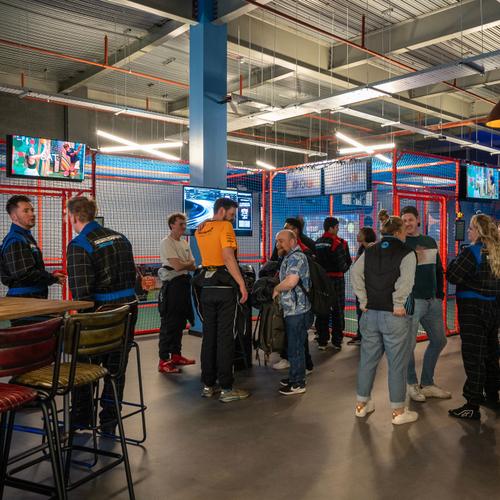
An activity experience adds something for people to do together, rather than just eat and talk. It’s best suited for events where staff have the chance to let their hair down such as team building and product launch celebrations. Sports simulators, escape rooms and karaoke all fall into this category. Activities work particularly well for groups who don't know each other that well, since a shared experience gives everyone something to talk about afterwards.
They're also a good way to break down professional hierarchies for an afternoon. A shared activity puts everyone on equal footing regardless of their job title or seniority, which is harder to achieve over a formal meal or a seated presentation. Many activity venues pair the experience with food and drink on site too, so you're not stuck coordinating a second booking to keep everyone fed.
Corporate Event Planning Checklist
In the run up to the event, work through the practical logistics: catering numbers and dietary requirements, RSVPs, transport for anyone travelling and any equipment or AV that needs to be booked separately from the venue.
If you're working with event staff or external suppliers on the day, brief them clearly on what's expected. A short written run through of who's doing what avoids a lot of confusion once the event is actually underway.
In the final week, confirm your numbers with the venue and send a clear plan to everyone attending, covering the time, address, dress code if there is one and anything they need to bring. The last thing you or any attendees want is a mixup on the day itself.
Corporate Events at Sixes Cricket
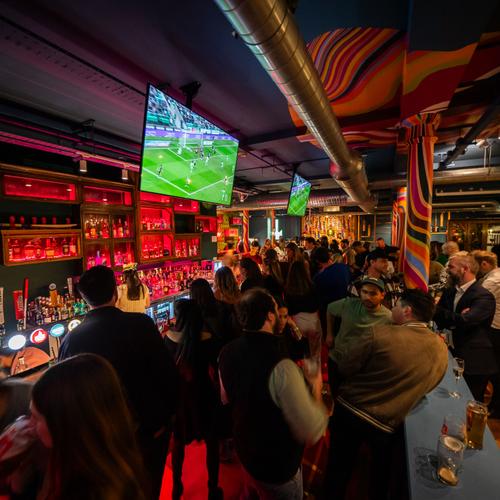
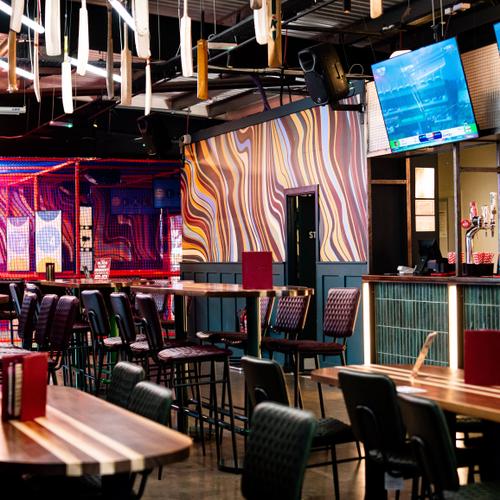
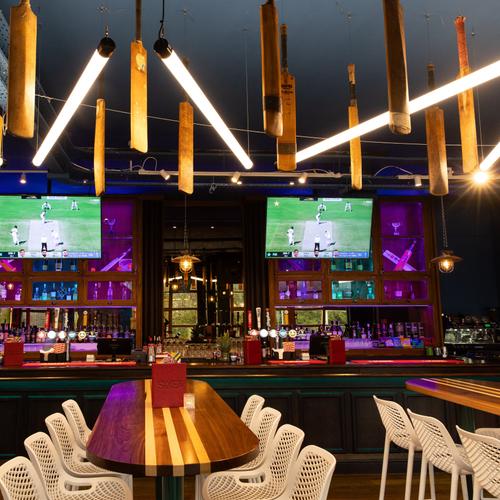
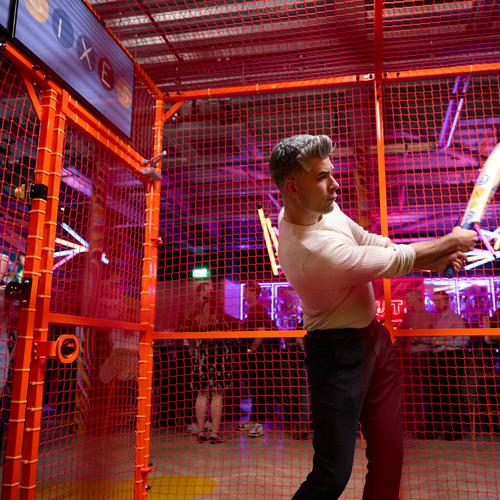
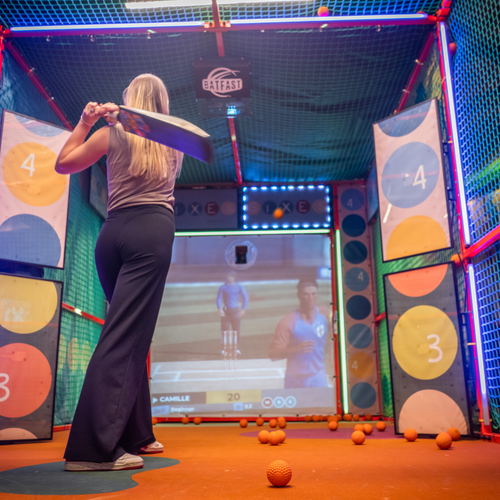
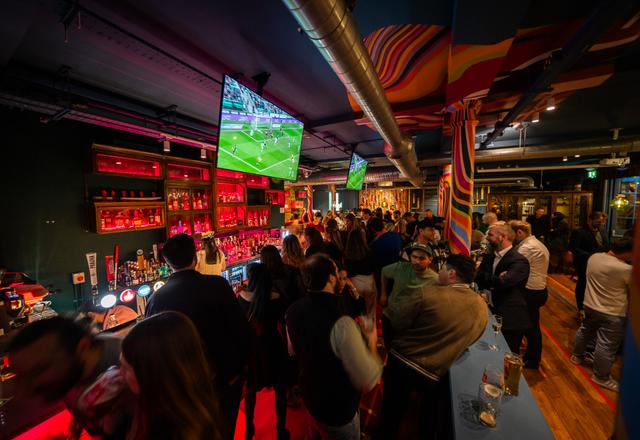
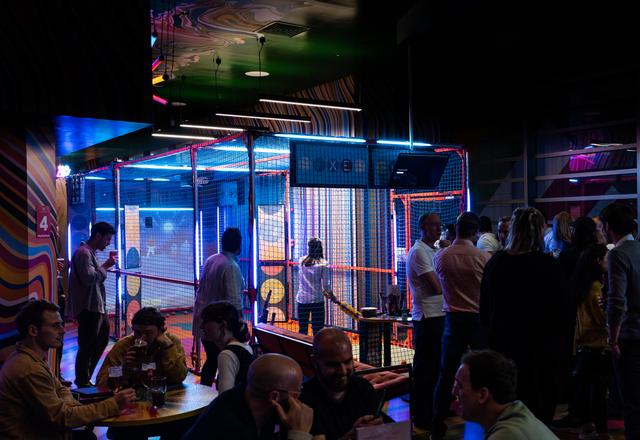
If you’re searching for an activity venue for a corporate event, Sixes Social Cricket could be the right fit for you. It's a lively sports bar built around a virtual cricket simulator- no cricket knowledge or ability is needed to join in on the fun.
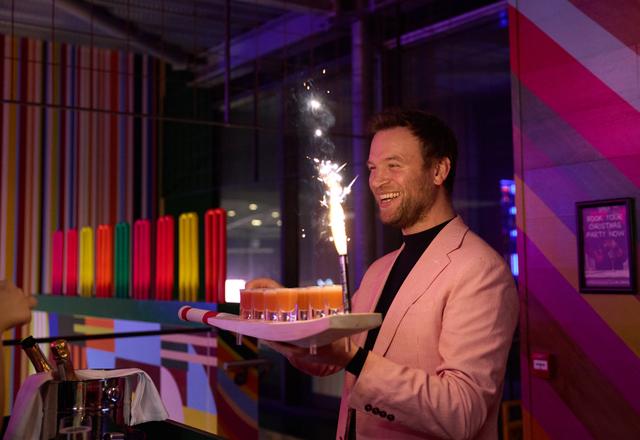
Private hire is available across Sixes venues in the UK, making it a straightforward option if you want the activity, food and drink for your event sorted in one place.
If that sounds like the right fit for your team, book your corporate event now or get in touch today.